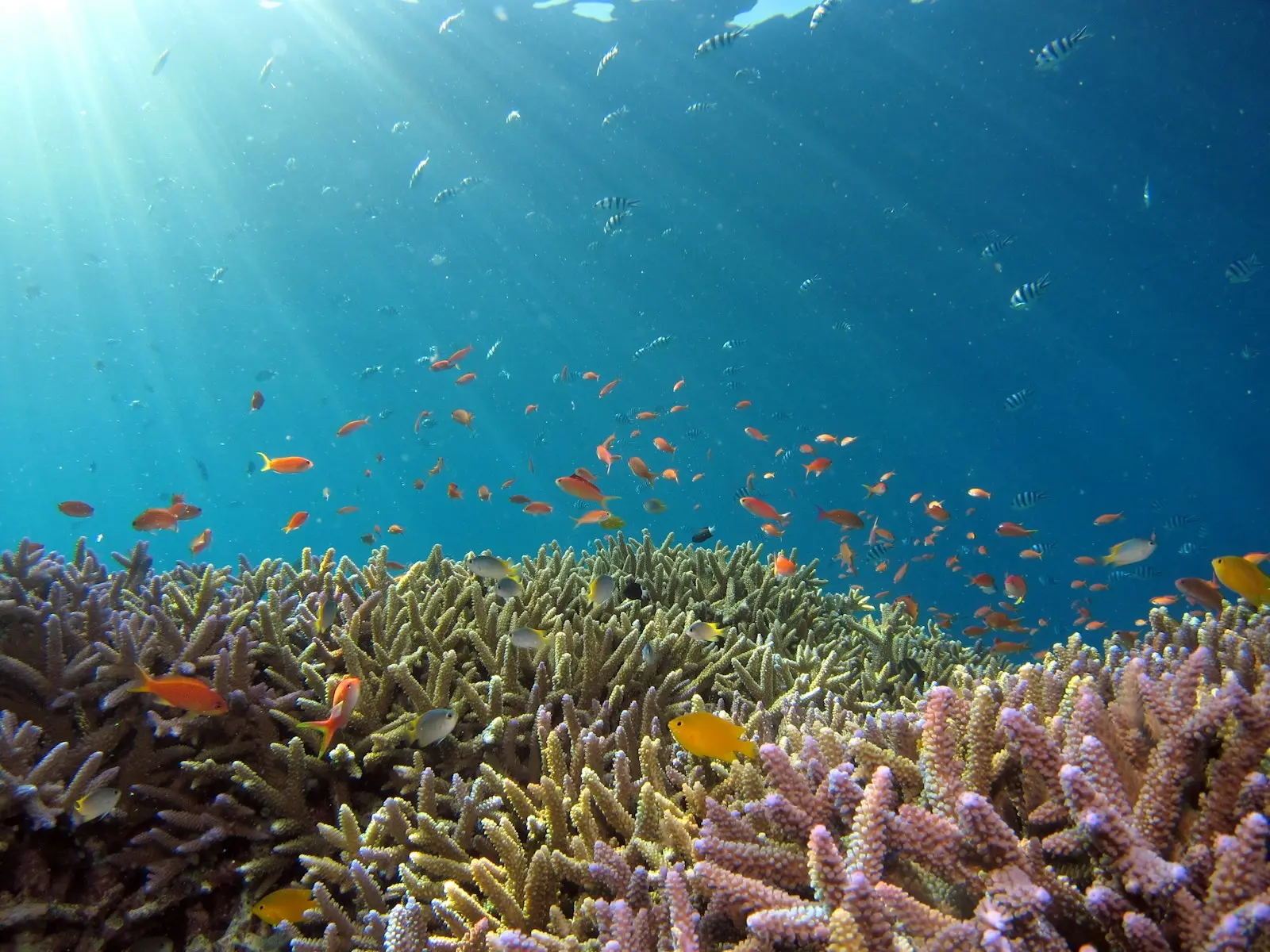
A look beneath the Caribbean
Snorkeling in Mahahual: discover the reef at your own pace
What to expect in the water, how to choose a guided trip and what to bring. A practical guide to enjoying and caring for Mahahual’s reef.
Quick answer
What is snorkeling in Mahahual like?
You observe the marine environment from the surface with a mask and snorkel, without scuba tanks. For a guided trip, confirm the site, flotation equipment, supervision and actual time in the water. Your experience depends on the sea and your swimming comfort; photographs do not guarantee visibility or turtle encounters.
The best moment comes when you stop chasing a photo and start looking: fish among reef shelters, changing light and life along the seabed.
Choose a trip that suits your swimming experience. Here is what to ask, how to prepare and how coastal snorkeling differs from other excursions.
01
How to enjoy a reef trip
The pleasure is in looking slowly rather than racing along the route. Before entering, your guide should explain the equipment, signals and return plan. Ask how much of the total duration is spent swimming: boarding, travel and preparation take time too. There is no need to chase animals to make the experience worthwhile.
Make time for the reef
Your next experience starts in the water
Explore available activities in Mahahual. Check snorkeling and compare alternatives for your group.
Confirm departure, sea conditions and availability. Many trips leave in the morning: allow time for your arrival.


Swipe to see more experiences
02
Three steps before looking down
Ask for an explanation you understand and raise any concerns before entering. Good preparation lets you focus on what you are seeing rather than struggling with your equipment.
Try your equipment
Check the fit of your mask, snorkel, fins and life jacket. Ask to practise using them away from coral before starting the route.
Agree on supervision
Identify your guide, group and how to ask for help or end the activity. Do not leave the group to get a photo.
Look without leaning on anything
Leave space above the seabed and control your fins. If something needs adjusting, tell your guide without grabbing the reef.
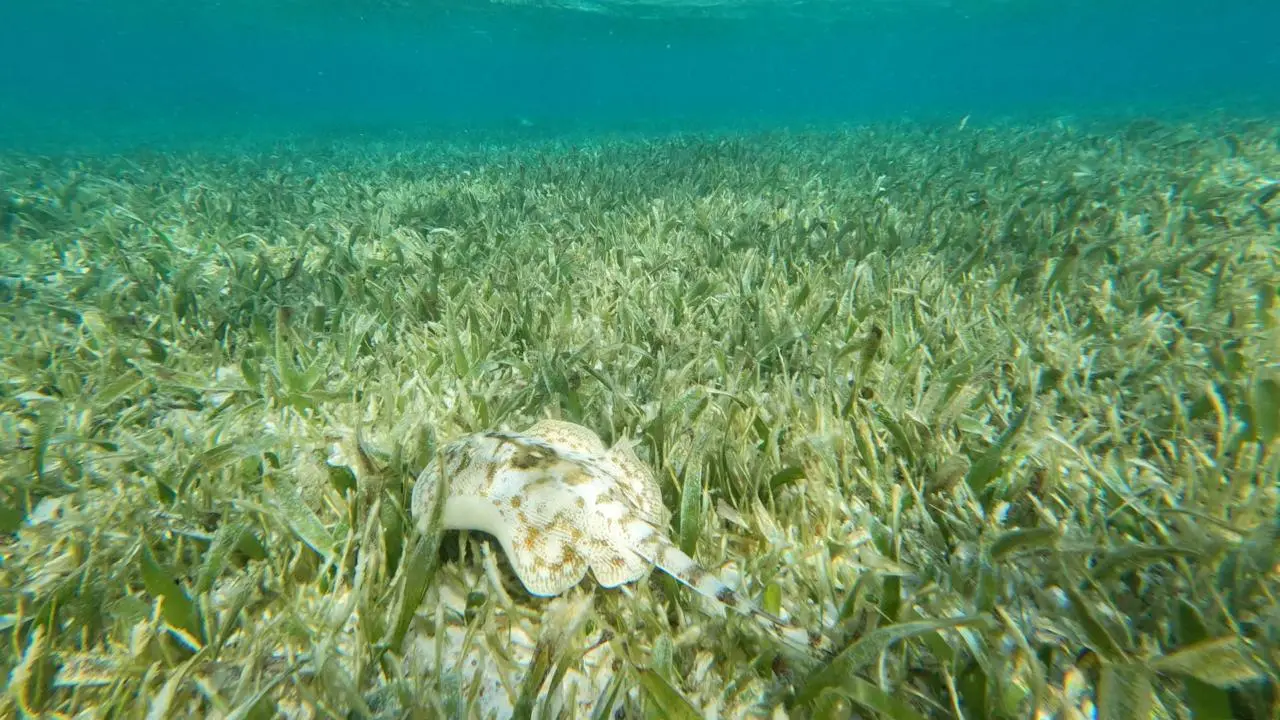
Yellow stingray in Mahahual’s reef lagoon, June 2024. Archive image; wildlife sightings vary on each trip.
Samantha Lino / NasaLaurrabaquio · Raya amarilla en la laguna arrecifal de Mahahual, Quintana Roo, México.jpg · CC BY-SA 4.0. Format and size adapted for the web.
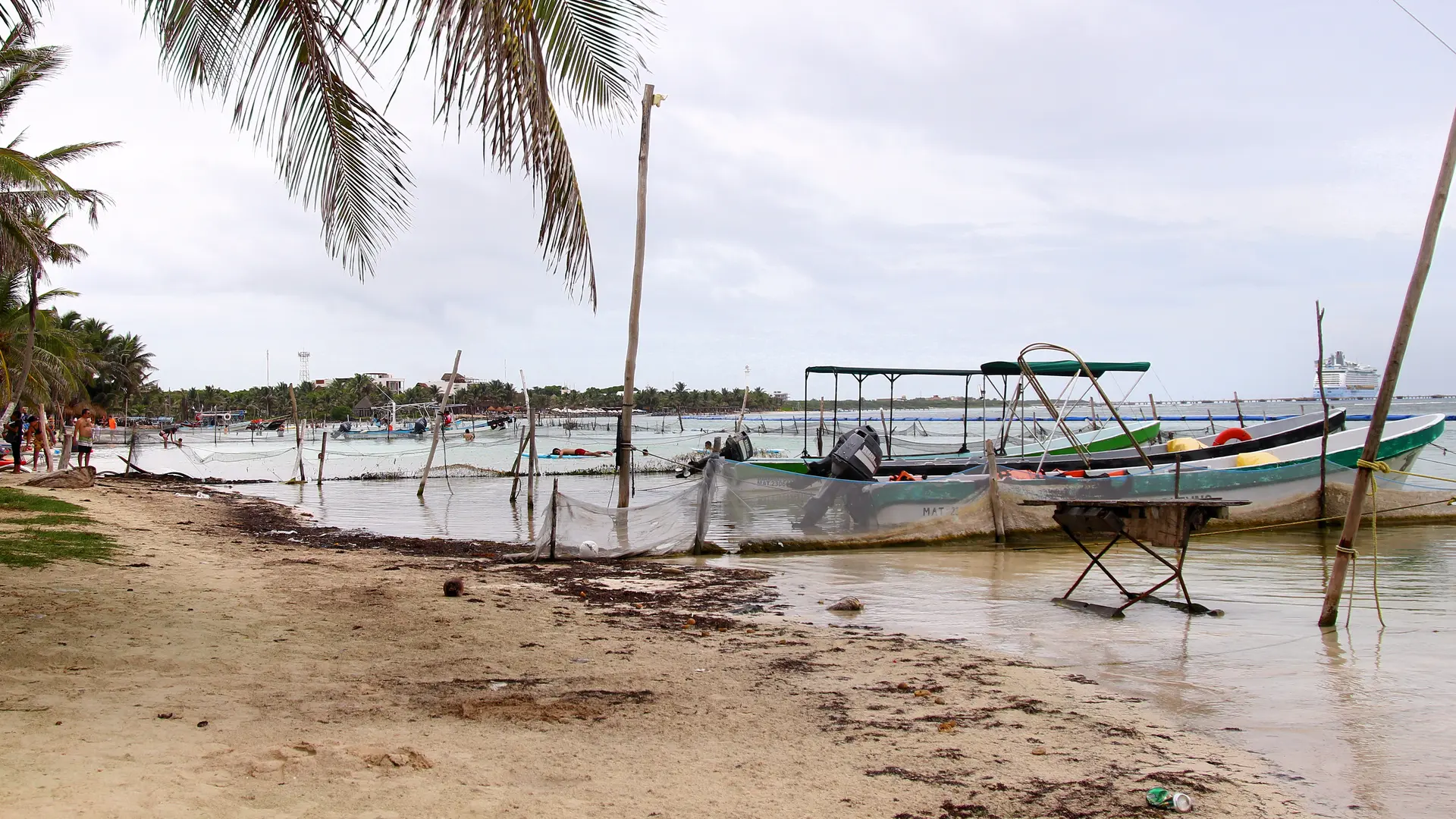
Boats on the Mahahual coast. Archive photograph, August 2023.
© 2023 Larry D. Moore · Boats Mahahual Quintana Roo 2023.jpg · CC BY 4.0. Format and size adapted for the web.
03
What you are looking at off Mahahual
The coastal reef belongs to the Mesoamerican Reef System. Corals are living animals, not rocks to rest on.
Look between the reef structures, fish and seagrass areas. The gallery includes a ray photographed in Mahahual; it documents that encounter, not a guaranteed sighting on your visit. Ask your guide to identify what you see, without collecting organisms as souvenirs.
Sources for this section
04
First time, children or limited swimming experience?
DAN warns that currents and waves can overwhelm snorkelers. Being close to the beach does not remove that difficulty.
If you cannot swim, do not book assuming a life jacket solves it: consider learning first or an activity out of the water. For children, confirm accepted ages, equipment sizes, supervision and boat entry and exit. Explain your actual experience; if the program is unsuitable, choose another plan.
Sources for this section
05
The best day depends on the sea, not just the calendar
Check the site’s wind, waves and visibility as well as the general forecast. A sunny day or a photograph of clear water does not, by itself, describe conditions for entering.
Ask the operator what they have observed recently and what happens if they change sites or cancel. If your dates are flexible, leave room to reschedule. An early trip may fit your day better, but no hour guarantees calm seas, clear water or no sargassum.
Sources for this section
06
Care for what you came to see
Do not touch, feed or chase wildlife, or block its path for a photograph. Long sleeves help reduce the need for sunscreen.
Check the site’s sun-protection guidance rather than treating a “reef safe” label as automatic permission. Bring your rubbish back and keep equipment from dragging across the seabed. Adapt the photograph to the animal and surroundings, rather than the other way around.
07
Coastal snorkeling, Chinchorro and diving: choose carefully
Banco Chinchorro requires a separate offshore expedition. PADI Discover Scuba Diving is an introductory experience, not a scuba certification.
Check the exact destination and program. For surface observation, choose snorkeling; to breathe underwater with scuba equipment, ask about diving requirements and the instructor. A photo of a shipwreck or Chinchorro does not mean it is included in a coastal trip.
Sources for this section
Compare what you will actually do
| Option | Best suited to | What to check |
|---|---|---|
| Coastal snorkeling | Surface observation off Mahahual | Access, guide, flotation and time in the water |
| Banco Chinchorro expedition | Visiting an offshore reserve | Boat travel, permits, program and a full day available |
| Introductory scuba diving | Trying scuba equipment with initial instruction | Professional, participation requirements and program |
Frequently asked questions
- Do all tours see turtles?
- No. They are wild animals. Rays and other species are not guaranteed either. Choose good supervision and respect for the environment; avoid trips promising to chase, feed or touch wildlife.
- Can I snorkel independently from the beach?
- Do not infer a safe route from a map. You need to understand access, currents, boat traffic and permitted areas. If you do not know the site, ask about a guided option suited to your experience and follow local instructions.
- How much does it cost and how long does it last?
- Check the activity listing for current price, duration and terms. Compare actual time in the water and what is included: guide, equipment, transport, photos or facilities. Packages differ.
- Do I need scuba certification?
- Surface snorkeling is different from scuba diving. Confirm your chosen program’s requirements; do not confuse an introductory scuba experience with a certification course.
- What should I bring, and where do I leave my things?
- Swimwear, a towel, water and sun-protective clothing. Ask about boarding footwear, sizes and storage beforehand. Bring only what you need; do not assume lockers, safekeeping or a completely watertight bag.
Before booking, confirm these details
- Site and meeting point: Mahahual town or the port exit.
- Full duration and actual time in the water, without counting included transfers twice.
- Correct equipment sizes, guide and requirements for your experience and age.
- Inclusions, final price and terms for poor sea conditions or cancellation.
- Return time compatible with your next transfer or cruise ship.
Keep exploring
Mahahual guide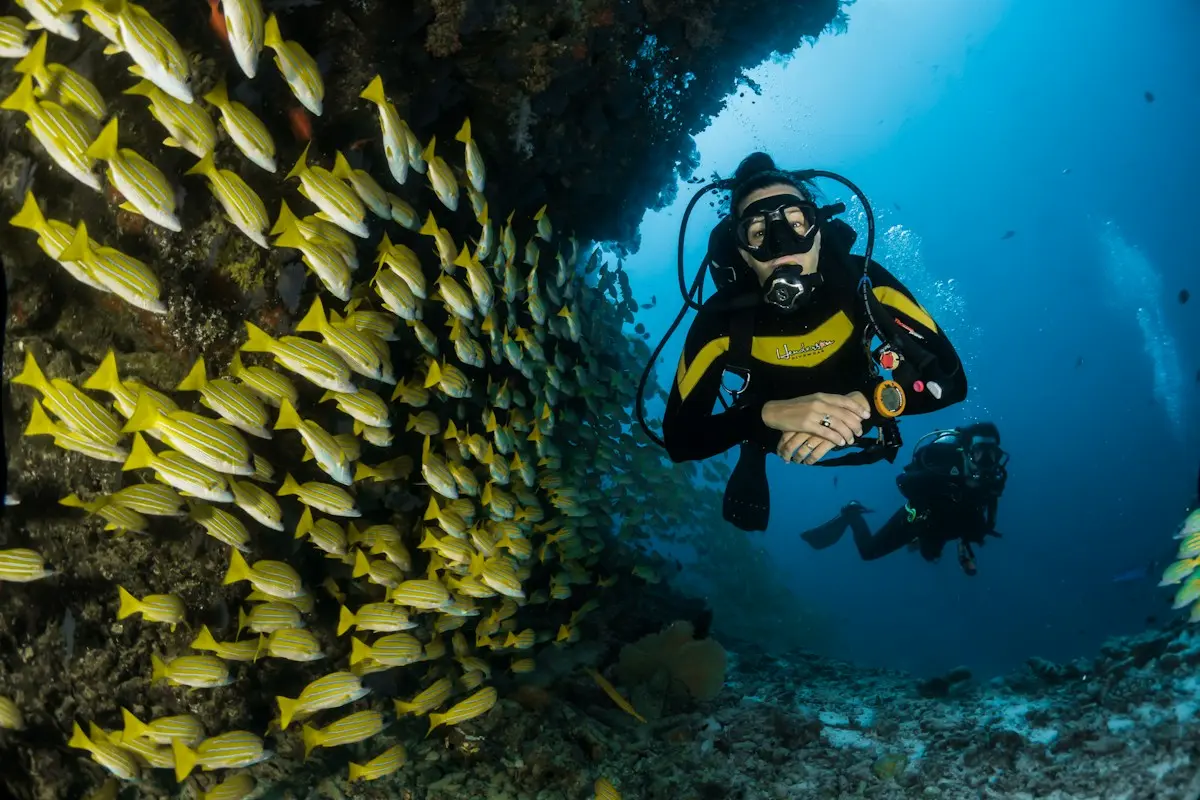
Banco Chinchorro: diving, snorkeling and preparation
Prepare for a reserve expedition: diving versus snorkeling, the boat journey, equipment and permits.
Read guide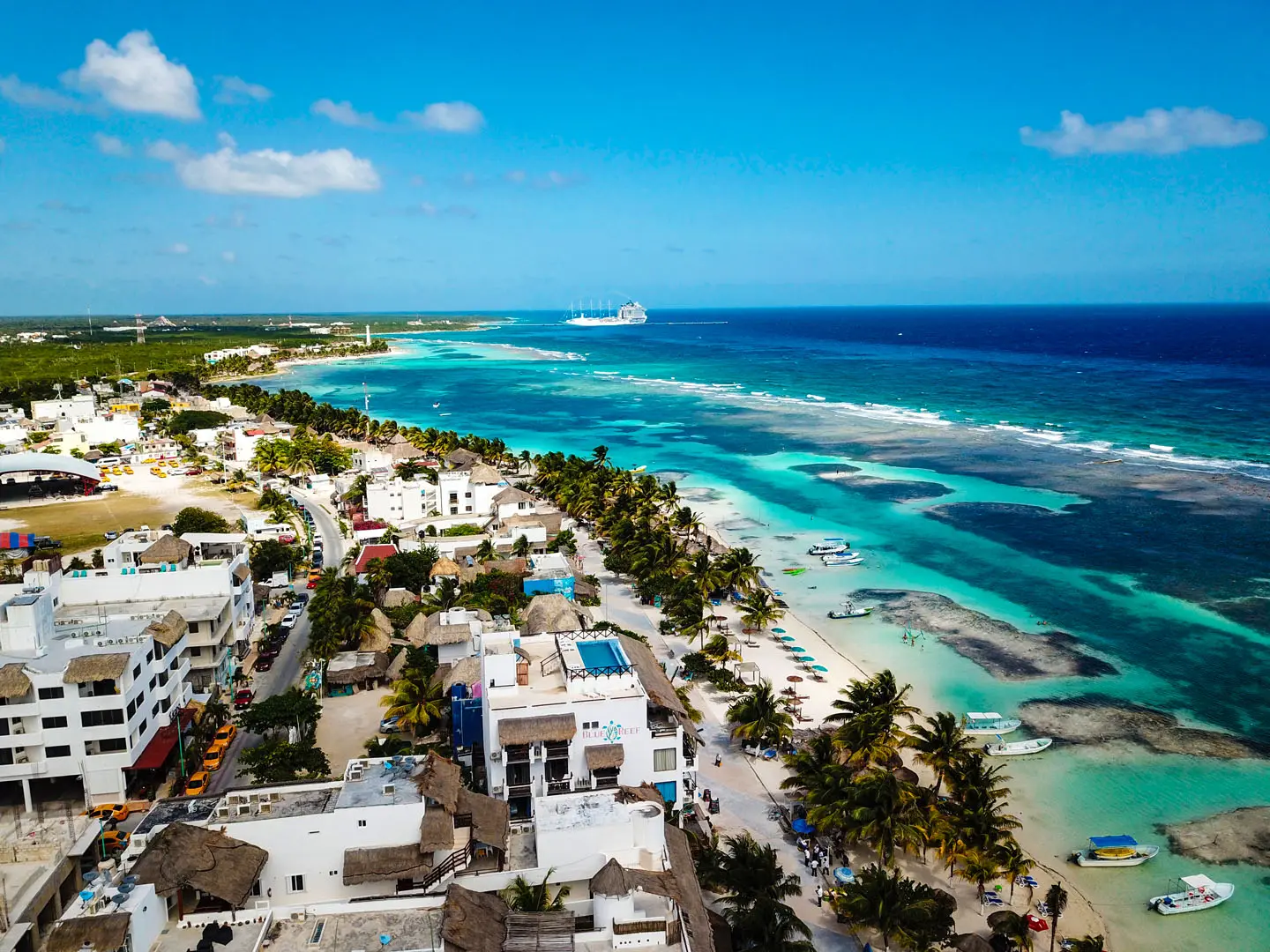
Sargassum and weather in Mahahual: keep plans flexible
Check recent reports, ask about sea conditions and prepare alternatives for your Costa Maya day.
Read guide
Mahahual for cruise guests: beach or Bacalar on your port day?
Enjoy Costa Maya with less time in transit. Compare Mahahual and Bacalar, work out your usable shore time and plan your return to the ship.
Read guide